

How to clean lacquer painting: Expert tips to preserve timeless beauty
Proper care for lacquer paintings directly impacts their durability, color vibrancy, and flawless surface over time. While lacquer art is celebrated for its longevity, each piece remains sensitive to fluctuations in humidity, light, and temperature if not displayed or cleaned correctly. This guide offers comprehensive practices on how to clean lacquer painting and other essential tips to preserve their original allure for years to come.
Why does lacquer painting require careful preservation?
Lacquer paintings are typically composed of multiple layers of lacquer materials - wooden panels, fabric, natural lacquer, gold and silver leaf, eggshell, and mother-of-pearl inlay. Each material has its unique properties and is susceptible to changes in environmental conditions. High humidity, direct sunlight, or unstable temperatures can cause wood panels to warp, lacquer layers to crack, and surface mold to emerge.
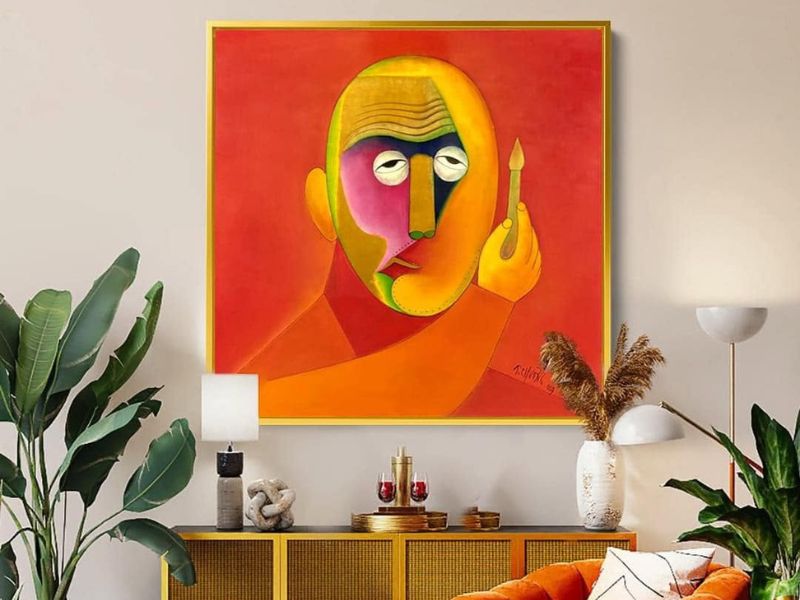
Preserving lacquer painting according to established methods helps minimize these risks and ensures stability over time.
Best practices to preserve lacquer painting
Cleaning and preserving lacquer art involves a series of mindful steps, from optimal placement, controlled storage environment, to delicate cleaning and secure storage when not on display.
Choose the right display location
The nature of the display area significantly affects the quality of a lacquer painting. Select a dry, flat, and well-ventilated wall to ensure the artwork remains in stable condition. Direct sunlight, heat sources, or consistently damp environments may compromise both the lacquer layer and the underlying structure over time.
Maintain optimal environmental conditions
Temperature and humidity variation is a leading cause of deterioration in lacquer paintings. Ideally, maintain a room temperature between 20–28°C (68–82°F) and humidity levels of 50–65% for safe keeping. During periods of persistent high humidity, moisture may condense on the painting’s surface, increasing the risk of mold if not adequately controlled.
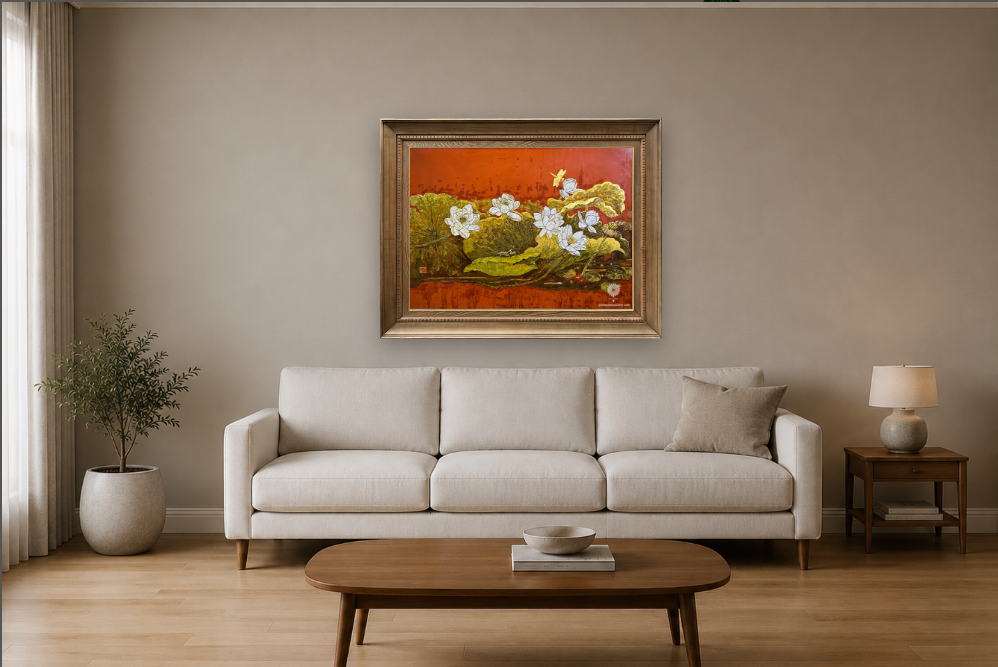
Hanging lacquer paintings in a dry, well-ventilated place helps prevent mold and protects the lacquer surface effectively.
How to clean lacquer painting: Safe methods
To remove accumulated dust, use a soft microfiber cloth or a gentle brush. For minor stains or residue, gently wipe the surface with a well-wrung damp cloth, followed immediately by a soft dry cloth. Avoid vigorous scrubbing to preserve the lacquer layer and its glossy finish.
Proper storage when the painting is not displayed
When storing lacquer paintings for extended periods, minimize the risk of impact and exposure to adverse environments. Before storage or transportation, wrap the painting carefully with acid-free tissue or cotton fabric and an outer protective bubble wrap layer.
Position paintings vertically in a dry, ventilated space to prevent undue pressure on the artwork and limit damage from humidity, insects, or wood-boring pests.
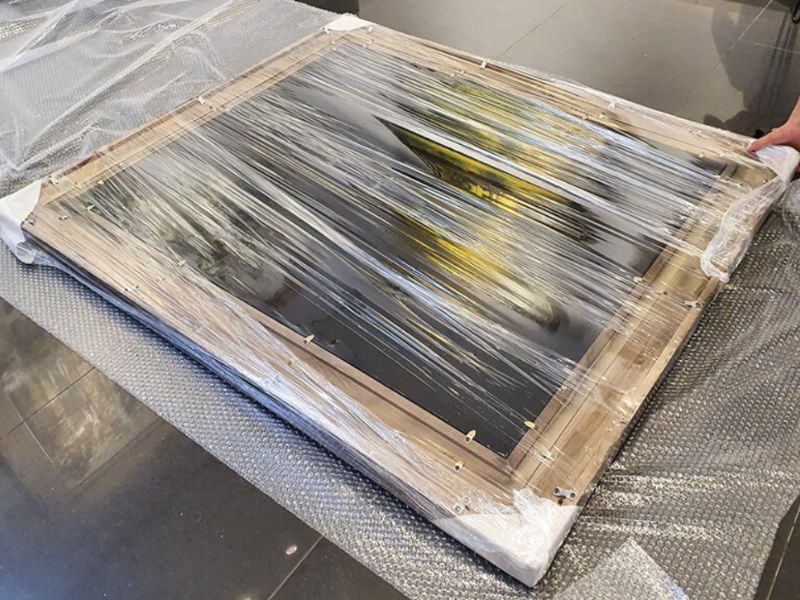
Carefully wrapping lacquer paintings helps protect them from dust, humidity, and accidental impacts.
Common mistakes to avoid when preserving lacquer paintings
Improper preservation can reduce both the longevity and artistic value of lacquer paintings. Frequent errors that lead to scratches, loss of sheen, or surface damage include:
- Using alcohol, bleach, or chemical solutions for cleaning
- Employing rough cloths, hard brushes, or abrasive materials that scratch the lacquer
- Spraying water directly or using hot water on the painting’s surface
- Displaying artwork under direct sunlight or right in the air conditioning draft
- Placing the painting in poorly ventilated or consistently damp areas, increasing risk of mold or degradation
How to address signs of damage on lacquer paintings
Degrees of deterioration in lacquer paintings can range from surface dullness and light mold to cracked or peeling lacquer layers. Suitable actions for each scenario are essential to safeguard the artwork’s structure and integrity.
- For dull surfaces or light mold: Wipe gently with a well-wrung, slightly damp cloth; follow with a dry, soft cloth, and allow the painting to air-dry in a ventilated area.
- For minor scratches: Apply a small amount of specialized lacquer conditioner to mitigate scratches and help restore the shine.
- For flaking, cracked, or blistered lacquer: Do not attempt DIY repairs using glue or household materials. Consult an experienced restorer or skilled artisan for professional intervention.
By following expert guidelines on how to clean lacquer painting and proper conservation techniques, you can preserve your artwork’s intrinsic value throughout years of display and storage. For further advice on lacquer painting care or to explore an outstanding lacquer art collection, please visit or contact Green Palm Gallery - our team is ready to assist with tailored expertise.
|
GREEN PALM GALLERY Gallery in Ha Noi: 39 Hang Gai, Ha Noi, Viet Nam
Gallery in HCM City: 49 Mac Thi Buoi, HCM City, Viet Nam
|