

How to clean oil painting and preserve its value
Proper techniques for preserving oil paintings play a crucial role in maintaining their color vibrancy, material integrity, and longevity over time. Every painting is subject to daily environmental influences such as light, humidity, and use. By following the right methods, you can minimize the risks of cracks, mold, or peeling, and significantly reduce restoration costs. The following guide covers the essential steps in how to clean oil painting and keep your artwork in perfect condition.
Why is it important to properly care for oil paintings?
Oil paintings are composed of multiple layers of pigment and oil on canvas or wooden panels. Even after completion, the surface remains sensitive for a long time. Unsuitable environments can lead to issues such as cracking, warping, or fading of the paint surface.
By learning how to clean oil painting and care for it properly, you help retain its aesthetic value, increase its lifespan, and prevent irreversible damage. Applying appropriate preservation methods ensures that your art remains impeccable whether displayed at home, in a gallery, office, or private collection.
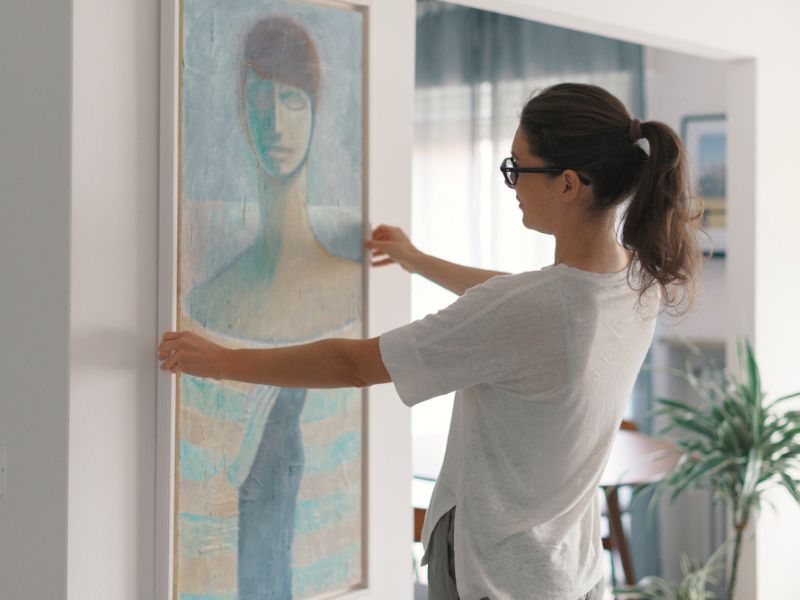 Proper oil painting care helps prevent paint cracking, flaking, and surface deterioration.
Factors that affect the durability of oil paintings
Several environmental factors can undermine the quality and longevity of oil paintings. Recognizing these risks allows you to take preventive measures:
- Humidity and temperature: High humidity or rapid temperature fluctuations cause the canvas and paint layers to expand or contract, increasing the risk of cracks.
- Natural and artificial light: Prolonged exposure to UV rays and intense lighting can cause fading or color dullness.
- Physical impact: Bumps, scratches, or accumulated dust can damage the surface and diminish visual appeal.
- Chemicals and polluted air: Cleaning agents, smoke, and pollutants can gradually deteriorate paint layers.
- Microorganisms: Mold, termites, and insects can damage both the stretchers and the canvas, compromising the artwork’s structural integrity.
Essential tips for preserving and cleaning oil paintings at home
Correct practices help your oil paintings maintain their beauty, resist deterioration, and extend their lifespan. Every stage - from displaying, cleaning, to storage and transportation - requires special care.
Choosing the right location for display and storage
Hang your oil painting in a dry, well-ventilated area with stable temperature and humidity. Avoid spots exposed to direct sunlight, bathrooms, kitchens, or damp corners. Use hooks designed to handle the painting’s weight, ensuring stability on the wall. When displaying multiple works, keep a space of 10–20 cm between each frame to prevent accidental contact and allow airflow.
How to clean oil paintings safely
Regularly dust the surface using a soft-bristled brush or a dry microfiber cloth to gently remove debris. Do not use water, alcohol, or chemical cleaning agents, as these can damage the paint and alter colors. Always use a gentle touch - never scrub or apply pressure to the paint layer. For stubborn stains or flaking, consult a professional conservator rather than risk further damage.
A dry microfiber cloth provides an effective, non-abrasive way to remove light dust from the surface without introducing moisture.
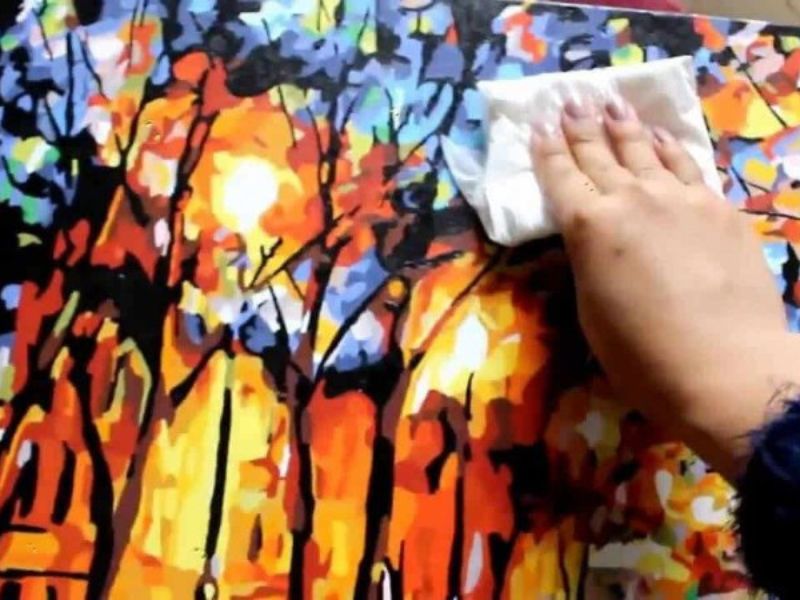
Using a dry microfiber cloth helps gently remove surface dust while keeping the artwork dry.
Transporting and long-term storage of oil paintings
Oil paintings should be carefully wrapped before transport to prevent abrasion and bumps. Use acid-free paper or soft tissue as a first layer, then wrap with bubble wrap and secure the package in a sturdy cardboard box. For long-term storage, keep paintings upright in a dry location, avoid stacking or placing weight atop the painting, and never roll a finished oil painting as this can cause cracking or peeling.
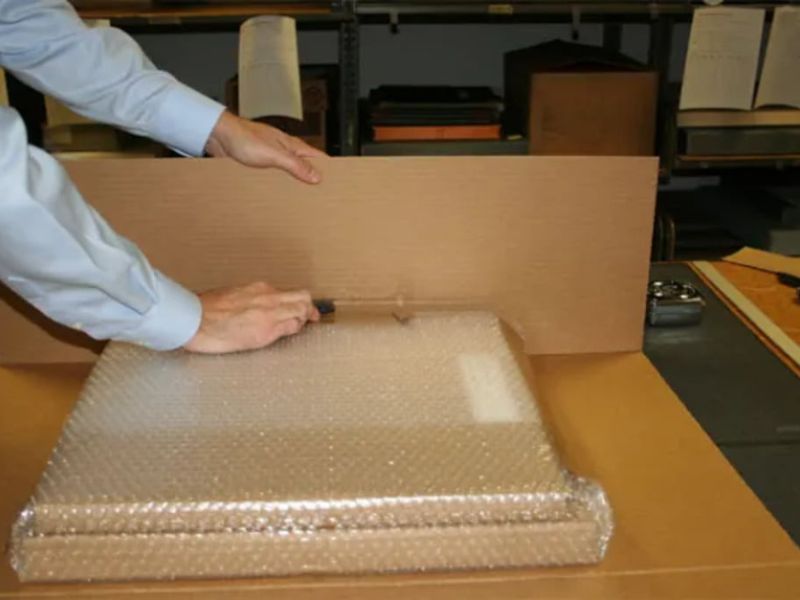
Bubble wrap offers impact protection for both the frame and surface during transport.
Common mistakes in oil painting care
Avoid the following errors to protect your art:
- Storing artwork in excessively hot, cold, or humid places: Fluctuating conditions can warp the frame, stretch the canvas, and create cracks in the paint layer.
- Using inappropriate cleaning chemicals: Harsh cleaners may erode the paint and diminish color stability.
- Attempting DIY repairs or varnishing without expertise: Incorrect treatments can alter the original composition and devalue the artwork.
- Improper storage: Laying paintings flat, stacking multiple pieces, or placing heavy objects on top leads to distortion, warping, or raised surfaces.
When should you seek professional restoration?
Professional restoration is recommended if your painting shows signs of cracking, flaking paint, mold infestation, warping stretcher bars, or tears in the canvas. DIY repairs can aggravate the damage and further reduce the artwork’s value.
A typical restoration process includes condition assessment, gentle surface cleaning, mold treatment, structural reinforcement, and retouching damaged areas. Finally, a protective varnish may be applied to enhance durability and guard against environmental factors.
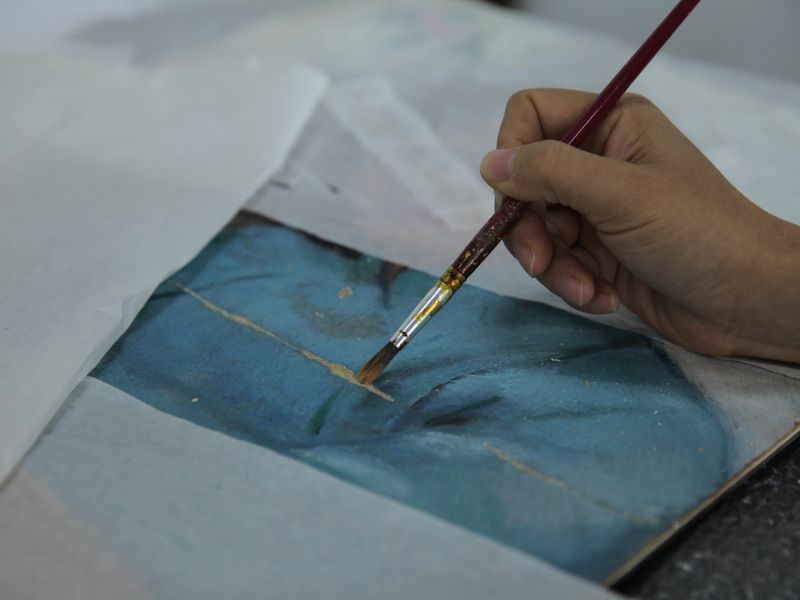
Restoration requires a systematic approach, from initial assessment to the final surface treatment.
Frequently asked questions about oil painting care
When cleaning or displaying oil paintings, many collectors and art lovers have the following concerns:
Should you use glass to cover oil paintings?
Glass coverings are not mandatory for oil paintings. If glass is installed too close to the canvas, moisture can accumulate with temperature shifts, heightening the risk of paint damage. If you do use glass, choose UV-protective glass and maintain enough space for ventilation between the glass and the painting surface.
Are air conditioners and dehumidifiers suitable for gallery rooms?
Air conditioners and dehumidifiers help maintain optimal conditions for oil paintings, particularly in humid climates. Aim for a relative humidity of 45–55% and a temperature between 20–22°C (68–72°F). This reduces the threat of mold, warping, and surface cracks.
How should you handle mild mold or minor flaking?
Move mold-affected paintings to a dry, airy space to lower surrounding humidity. Do not use water, alcohol, or chemicals on the surface as this may further damage paint and alter colors. For flaking or surface cracks, contact a professional conservator for a proper assessment and repair; DIY attempts risk escalating the problem.
Mastering how to clean oil painting and preserve it properly will maintain your artwork’s color, structure, and value over time. From display and cleaning to storage and transport, using the right techniques prevents damage and can save on costly repairs.
If you need guidance on how to clean oil painting, restoration services, or expert advice on art selection, contact Green Palm Gallery. Our team is ready to provide tailored support to preserve and enhance the beauty and value of your treasured pieces.
|
GREEN PALM GALLERY Gallery in Ha Noi: 39 Hang Gai, Ha Noi, Viet Nam
Gallery in HCM City: 49 Mac Thi Buoi, HCM City, Viet Nam
|