

Decoding the appeal of silk paintings in Vietnamese art
Silk painting holds a distinctive place in Vietnamese art, celebrated for its traditional materials and exquisite techniques. The fusion of natural silk with delicate colors and flowing brushwork infuses each piece with a gentle, contemplative beauty that has captivated generations.
Overview of Vietnamese silk painting
As one of the most ancient art forms in Asia, silk painting utilizes a base of fine mulberry silk, brought to life with watercolor or specialist pigments. The natural absorbency of silk fibers allows colors to seep deep into the fabric, producing ethereal hues and a signature sense of depth and softness unique to this medium.
Originally developed in China, the art of silk painting traveled across Asia and evolved distinctive local expressions in each country. In the early 20th century, Vietnamese artists refined their own techniques - mastering the silk-washing process, introducing muted palettes, and favoring themes closely tied to daily life and culture. These innovations helped define a uniquely Vietnamese identity within the broader tradition of silk art.
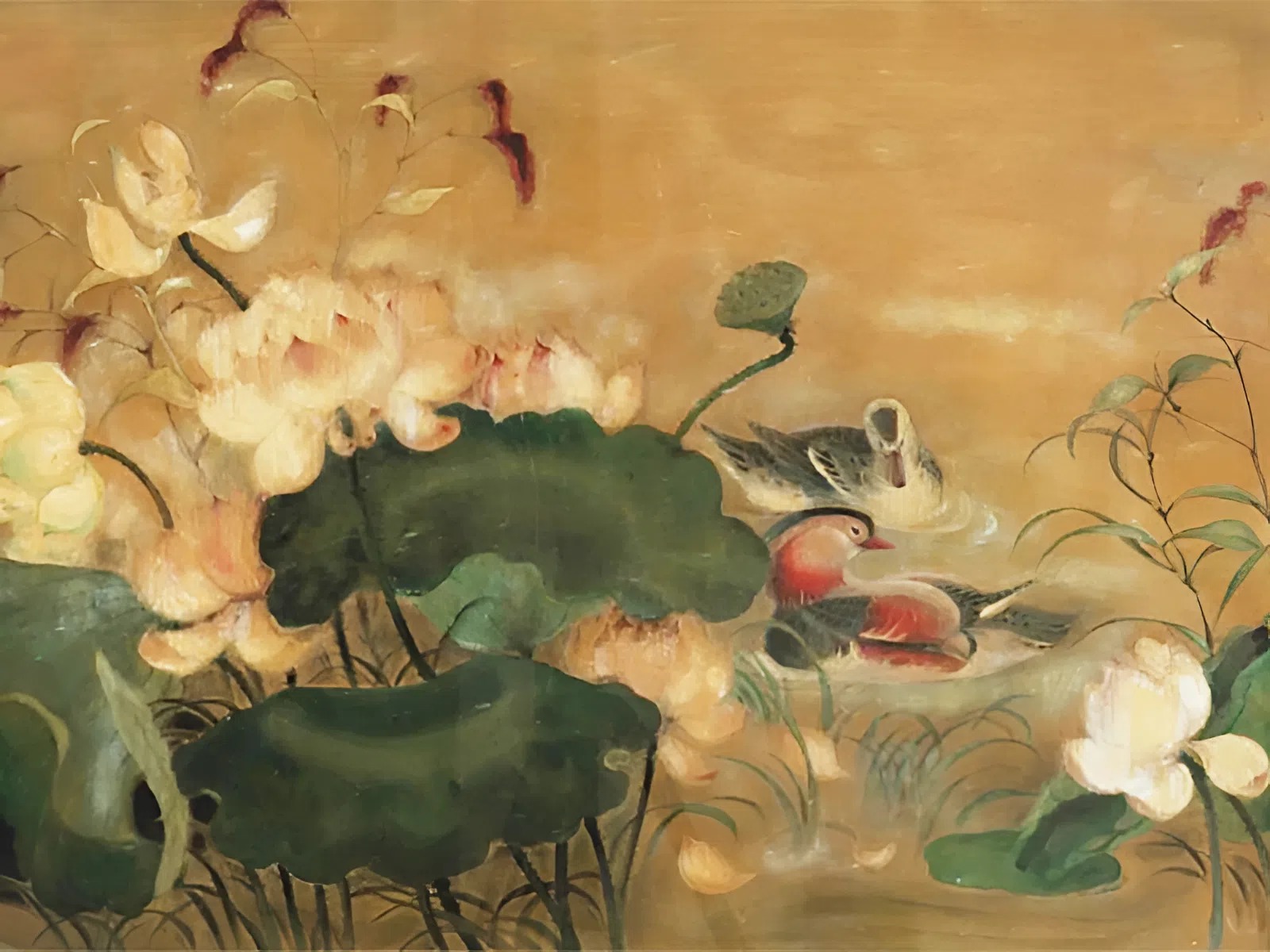 Vietnamese silk paintings are distinguished by their delicate color palette and soft, flowing lines on a silk surface.
Distinctive features of Vietnamese silk paintings
The use of mulberry silk combined with traditional painting methods sets Vietnamese silk paintings apart in both aesthetics and technique. Key characteristics include:
- Silken foundation and time-honored process: Artists select silk for its natural dye-absorbing qualities, applying successive layers of color and utilizing specific “washing” steps to create seamless gradations and luminous effects across the fabric’s surface.
- Lightness and transparency of color: Multiple transparent washes allow for subtle tonal transitions and remarkable delicacy rarely matched in other painting mediums.
- Lasting vibrancy: With high-quality materials and careful preservation, silk paintings can retain their colors and vibrancy for decades, resisting fading or deterioration.
- A sense of tranquility and depth: Soft brushwork, balanced compositions, and gentle color palettes lend silk art its signature elegance and emotional resonance.
- Artistic expressions deeply rooted in Vietnamese culture: Many works depict everyday life, landscapes, and traditional customs, making silk painting a cultural hallmark within Vietnamese art.
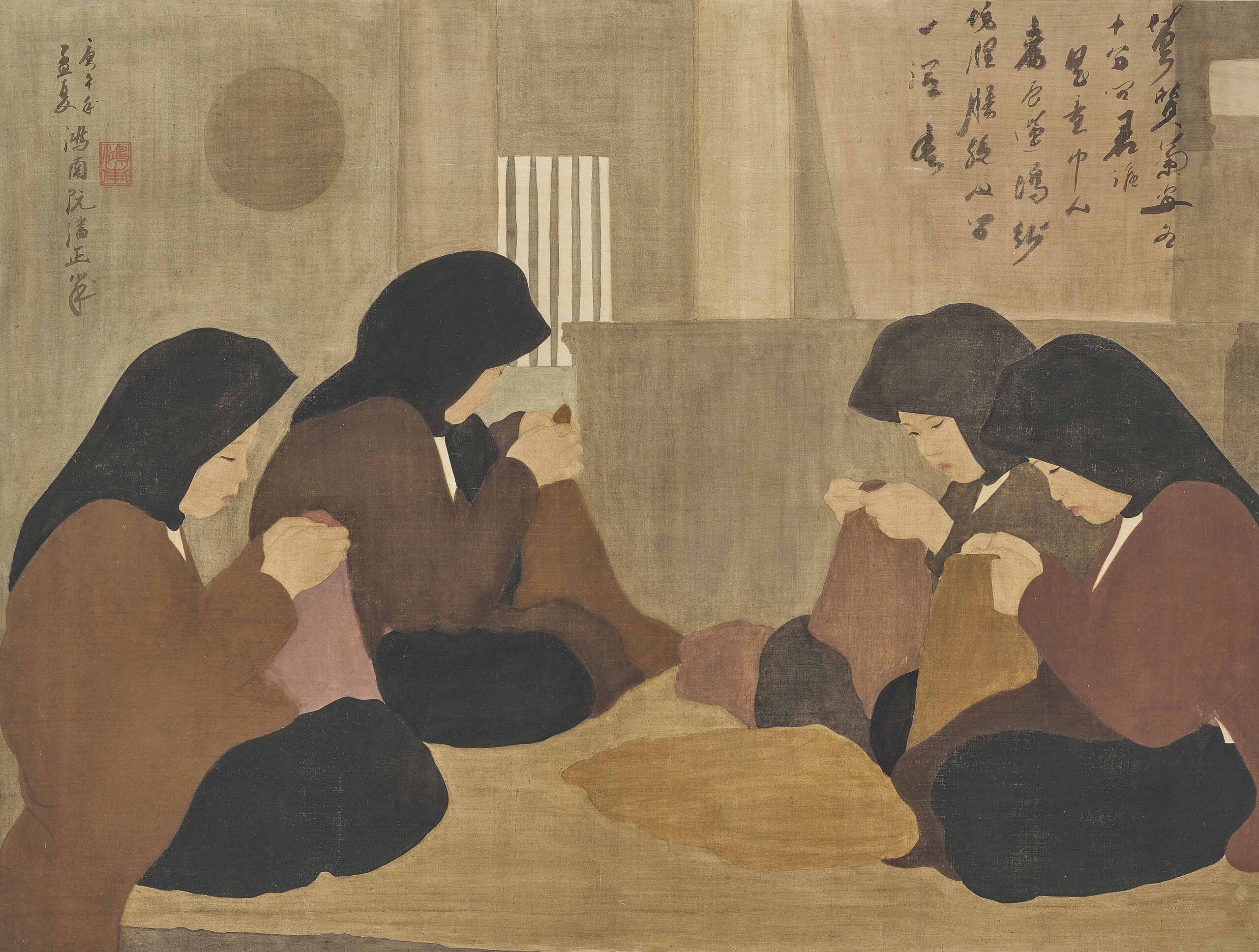 Artists often build up color from light to dark to control tonal values and create depth on the silk surface.
The creative process behind Vietnamese silk painting
Completing a silk painting requires rigorous, multi-step craftsmanship - each phase impacts the final piece’s beauty, colorfastness, and longevity.
Selecting and preparing the silk
Only the finest, tightly woven mulberry silk is chosen, prized for its smooth surface and ability to absorb color evenly. The silk is mounted on a stretcher to maintain tension and prevent warping during the painting process. Next, it is carefully treated to remove impurities and optimize dye absorption - a critical step that determines the painting’s sharpness and durability.
Painting on silk
Following a preliminary sketch, the artist gradually builds up colors in transparent layers, always working from light to dark. Each wash is completely left to dry before the next is applied, allowing the signature delicacy and glow of silk painting to emerge. Techniques such as silk washing may be used to refine tonal variations and achieve natural transitions. The final stage involves precise refinement, balancing colors, and ensuring the harmony of the overall composition before framing.
Preserving and displaying silk paintings
Longevity depends on both execution and proper conservation. Backing the silk with dó paper (a sturdy handmade Vietnamese paper) improves stability, minimizes warping, and helps maintain the painting’s structure over time. Silk paintings should be framed behind glass and displayed in a dry, stable environment - away from direct sunlight, high humidity, and dust - to preserve both color and fabric.
Key techniques and materials in Vietnamese silk painting
Material choices and tools are central to the distinctive effect of each silk painting.
Materials
Natural mulberry silk remains the artist’s fabric of choice, appreciated for its refined grain, longevity, and subtle luster. Depending on the creative intention, the thickness and density of the silk may vary to achieve the desired look and effect. Dó paper is commonly used to line the back of the painting, enhancing durability and preventing deformation.
Colors and tools
Artists favor watercolors, mineral pigments, and other specialist dyes, which absorb beautifully into silk to create luminous and dimensional effects. Essential tools include soft brushes, silk stretchers, mixing palettes, and spray bottles - all chosen to control the paint flow, blending, and precision vital to this art form.
Pioneering Vietnamese silk painters
The rise of Vietnamese silk painting is inseparable from generations of visionary artists, each lending their personal style to the evolution of this national tradition.
Nguyen Phan Chanh
Nguyen Phan Chanh (1892–1984), born in Tien Bat village, Trung Tiet commune, Thach Ha district, Ha Tinh province, is widely regarded as a founding figure in modern Vietnamese silk painting. His mastery of color handling and the silk-washing technique inspired generations. His paintings are notable for their simplicity and intimate depiction of rural life, often rendered in earthy palettes and balanced arrangements. Signature works include Choi O An Quan, Rua Rau Cau Ao, Len Dong, and Bua Com Mua Thang Loi.
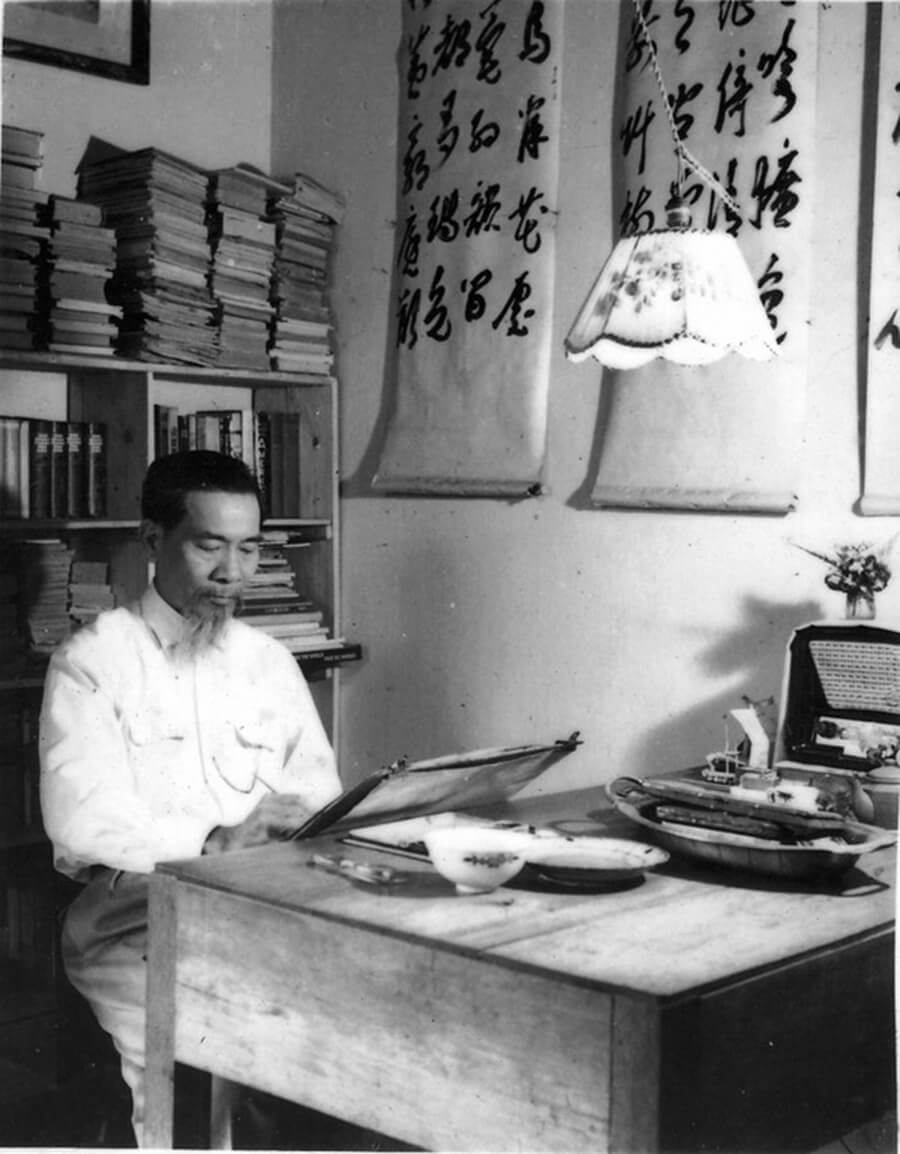 Painter Nguyen Phan Chanh was one of the pioneers who laid the foundation for modern Vietnamese silk painting.
Mai Trung Thu
Mai Trung Thu (1906–1980), hailing from Ro Nha village in today’s Hai Phong, stands among Vietnam’s most internationally recognized artists, devoting his career to popularizing Vietnamese art abroad. His silk paintings are celebrated for their soft lines, pure colors, and emotional gentleness. Notable works include Thieu Nu, Tiec Tra, and Nam Co Gai.
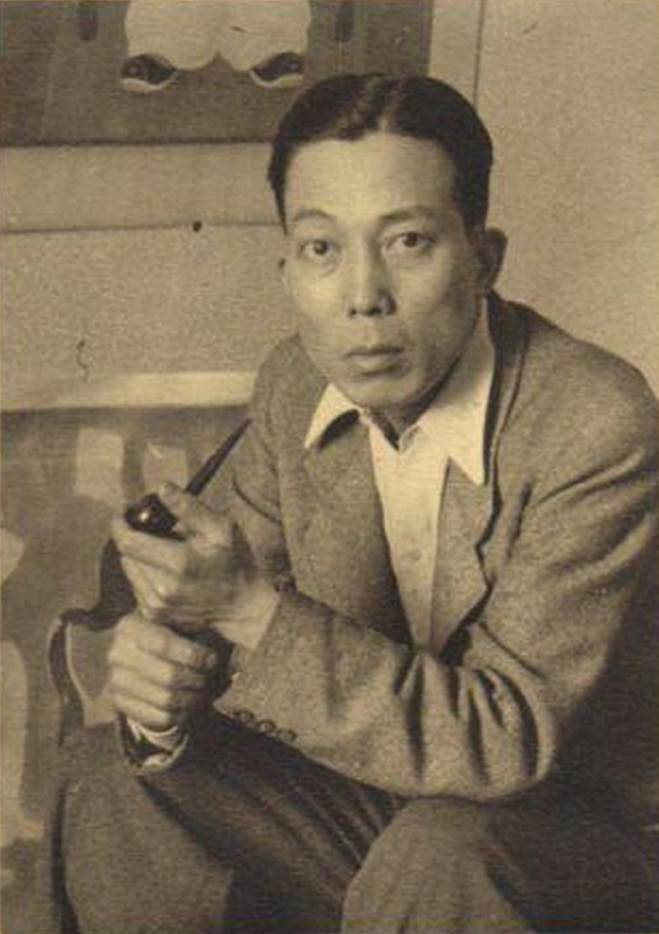 Painter Mai Trung Thu was a prominent figure in Vietnamese fine arts, renowned for his many works created on silk.
Le Thi Luu
Le Thi Luu (1911–1988), born in Tho Khoi, Thuan An, Bac Ninh (now Hanoi), was a pioneering female artist of Vietnamese modern art and a key contributor to the development of silk painting. Her delicate, poetic style often centered on women, children, and scenes of everyday life. Representative works include Me Va Con, Thieu Nu, and Chan Dung Thieu Nu.
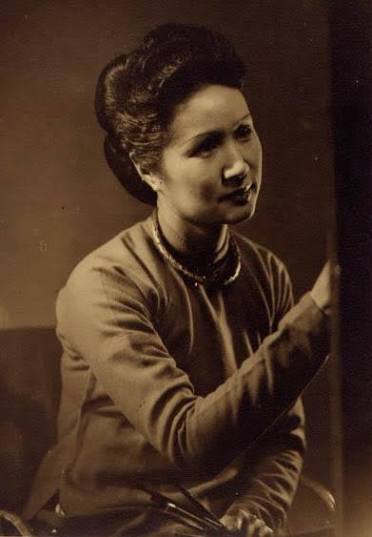 Le Thi Luu dedicated much of her artistic practice to portraying women, children, and the rhythms of daily life.
Le Cong Thanh
Le Cong Thanh (1932–2019), from Da Nang, was both a notable painter and sculptor. Beyond his achievements in sculpture, he created silk paintings marked by a minimalistic approach, focusing on the expressive qualities of the human form and emotion. His concise linework, gentle palettes, and expressive layouts define notable pieces such as Young Moon, Bathing moon, Nude I, and Nude II, many of which are featured at Green Palm Gallery.
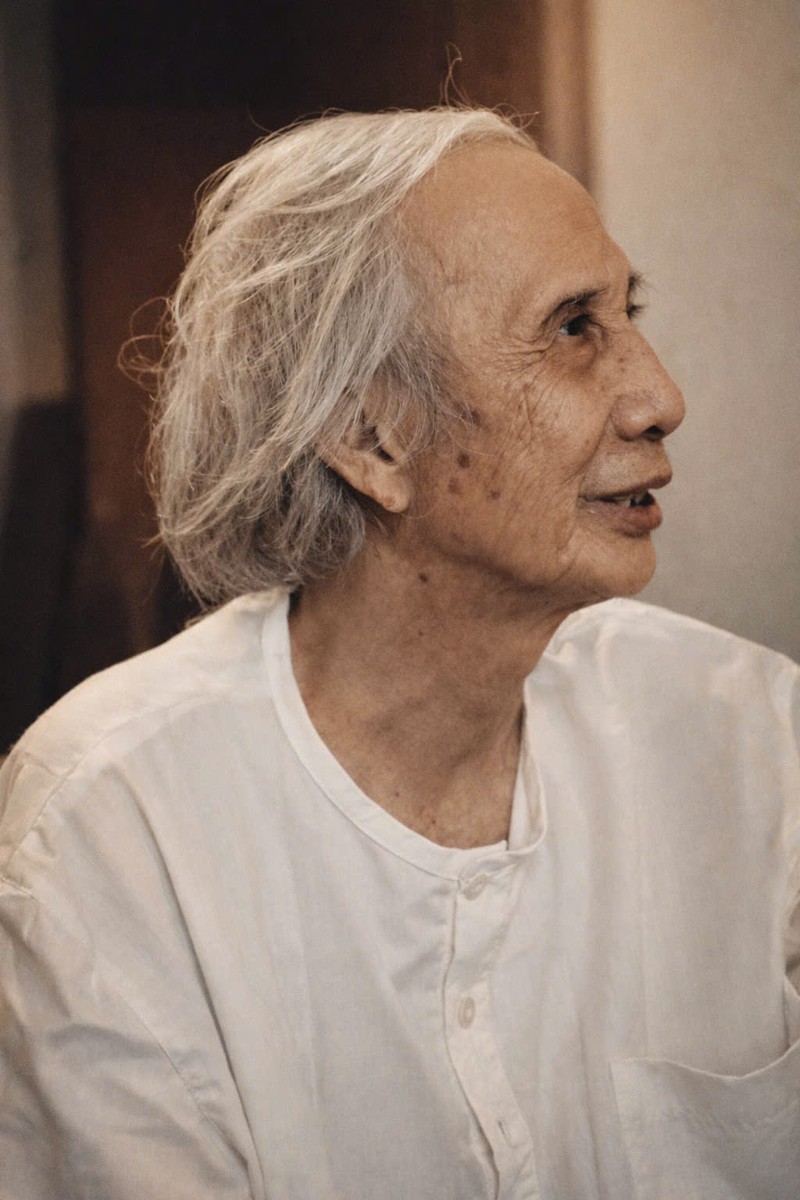 Le Cong Thanh made a significant contribution to Vietnamese fine arts through his achievements in both painting and sculpture.
Le Pho
Le Pho (1907–2001), born in Thanh Xuan, Hanoi, is a towering figure in both Vietnamese and international art circles. He skillfully blended Eastern spirit with contemporary composition in his silk paintings. His body of work often portrays young women, floral subjects, and natural landscapes using harmonious, understated colors. Exemplary pieces include Thieu Nu Va Hoa and Mau Tu.
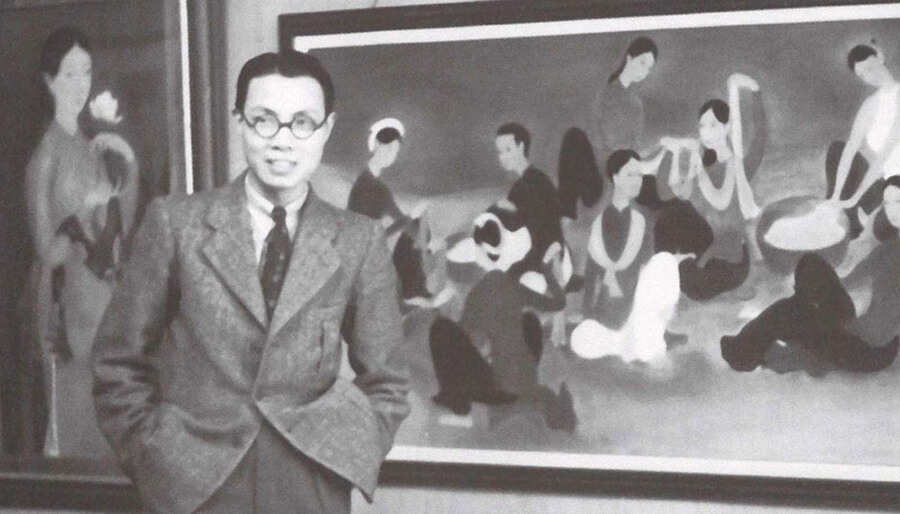 Le Pho's artworks blend the spirit of Eastern painting with a modern artistic vocabulary.
Frequently asked questions about Vietnamese silk painting
Beyond its artistic value, Vietnamese silk painting has unique qualities that collectors and enthusiasts should consider. Here are answers to some common questions:
Is Vietnamese silk painting colorfast?
Silk paintings, when crafted with quality silk and specialized pigments, can retain their vibrancy for many years. The coloring process embeds the pigments deep into the silk fibers, ensuring a high degree of color stability and resistance to peeling or discoloration. However, environmental factors such as direct sunlight, humidity, or fluctuating temperatures can affect longevity and color fidelity.
How should a silk painting be cared for?
Silk paintings should be displayed behind glass in a dry, ventilated space, avoiding direct sun and high humidity. Stable display conditions reduce the risk of mold and fading. Dust should be gently removed with a soft brush or dry cloth. When handling or transporting, the painting should be carefully wrapped and kept flat to prevent any distortion to the silk.
Should I choose hand-painted or printed silk paintings?
Hand-painted silk artworks are prized for their originality, craftsmanship, and the artist’s personal expression - making each piece singular and collectible. Reproduced (printed) silk paintings are more affordable and suited for decorative purposes. However, for those seeking artistic value, uniqueness, and collectible potential, hand-painted silk works remain the preferred choice.
From materials and technique to cultural resonance, Vietnamese silk painting continues to embody timeless beauty within the nation’s artistic heritage. Each artwork reflects the artist’s painstaking diligence and reveals the distinct charm of silk, preserving the essence of tradition across generations. Visit Green Palm Gallery to discover original silk masterpieces and select the ideal piece for your art collection, display, or personal enjoyment. To explore our curated selection of Vietnamese silk paintings, browse the featured collection on Green Palm Gallery’s website.
|
GREEN PALM GALLERY Gallery in Ha Noi: 39 Hang Gai, Ha Noi, Viet Nam
Gallery in HCM City: 49 Mac Thi Buoi, HCM City, Viet Nam
|